Where Building Has Become More Expensive
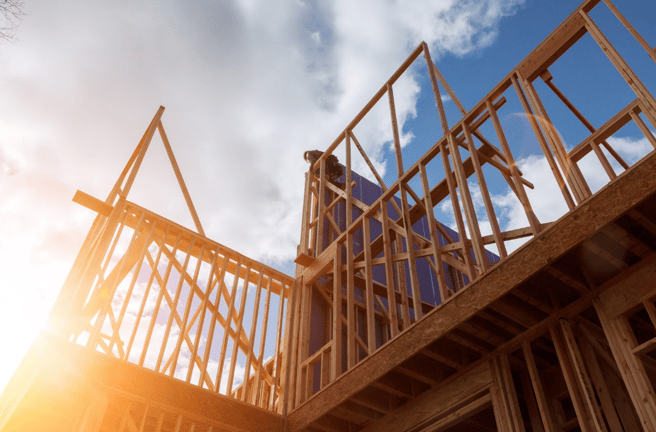
The cost of building continues to rise with new data revealing construction costs are up by 1% in the September quarter.
Costs rose the most in Western Australia during the quarter (1.1%), while New South Wales and Queensland are up 1% and Victoria and South Australia are up by 0.9%.
Cotality data, which tracks changes in the price of labour, materials, plant hire and subcontract services across all major trades, shows that many of the increases are being affected by rising fuel costs.
Cotality Cordell Costings estimation manager John Bennett says its understandable that Western Australia costs are rising faster, as many jobs required materials to be trucked over from the eastern seaboard, which added an additional layer of costs.
“Plastic pipe, obviously, is a byproduct of the petrochem industry, so every time that moves, it seems to be the plastics on the move again,” Bennett says.
Bennett says the biggest increases are also in the materials that require trucks to deliver them, such as concrete, steel and plasterboard. He says rising fuel prices are adding to the cost of delivering the materials to site.
You Can’t Take it With You

More than two thirds of Baby Boomer parents are handing over an “early inheritance” to help their children and grandchildren get into the property market.
New research from Australian Unity shows that 65% of Baby Boomers have given $10,000 or more to a child or grandchild, the most common motivation for which is to help with buying property.
The research shows the average sum given for first home purchases is $75,800, although the wealthier the boomer, the higher the input.
About 53% of respondents say they are handing over cash to help with cost-of-living pressures.
If not to buy a home they are contributing to provide “financial stability”, buy a car, pay for education or reduce debts.
The payments didn’t always come without strings attached with 43% of respondents saying they gave money to their children or grandchildren in the hope they will have a bigger part to play in their lives.
Refinancing Hits Record High
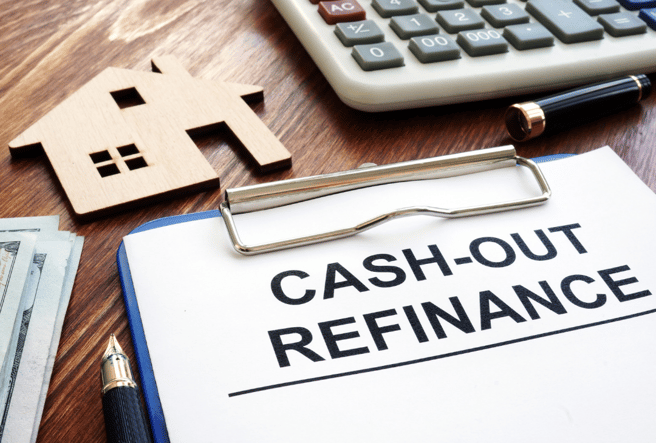
Homeowners trying to reduce costs have sent refinancing levels to record highs.
New data from Loan Market Group shows that 57% of lodgements in the last two weeks of September are for refinancing, with borrowers seeking cheaper rates.
It says refinancing has climbed steadily as a share of lodgements since the RBA started increasing interest rates from February.
Analysis from Finder shows 14% of mortgage holders plan to refinance in the next 12 months.
The number of buyers applying for new loans is down most significantly in Queensland (30%) followed by New South Wales (29%), South Australia (26%) and Victoria (20%).
At the same time, new lending levels are falling – particularly among investors.
Investor demand for existing homes, which can no longer claim negative gearing if purchased after May 2026, has dropped by 56%.
Property Investment Professionals of Australia chair Cate Bakos says the latest lending figures confirm what investors told the association’s 2026 Annual Investor Sentiment Survey, that 21.5% are unlikely to buy again unless the Federal Tax changes are repealed.
Suburban Blocks Shrink
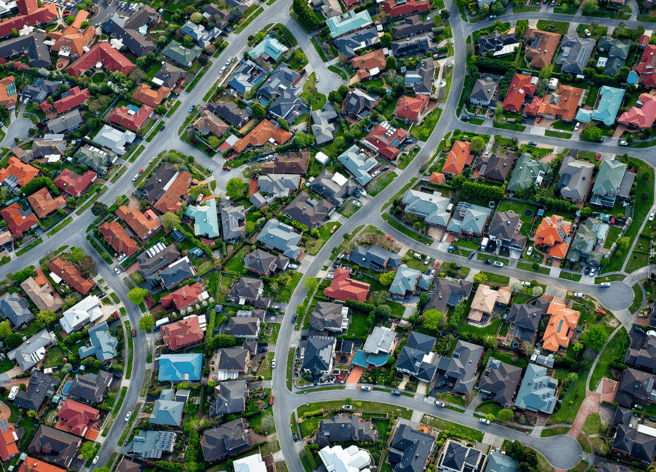
The days of the dream of owning a house on a quarter-acre block are long gone, as home buyers seek affordability through smaller properties.
Google Trends data shows the number of people searching for property using the phrase tiny homes has increased by 180% over the past five years, while small house plans searches are up by 197%.
Councils throughout Australia are responding to the need to allow for further housing by reducing block sizes.
The latest changes have been introduced by Brisbane City Council, which will allow homes on blocks as small as120 sq m in some residential areas.
Housing Industry Association executive director planning and development Sam Heckel, says cutting 200sq m from a minimum lot requirement could reduce the cost of an entry-level house-and-land package by more than $200,000.
“For a lot of first-time buyers, that could actually be the difference between getting into the market and remaining locked out,” he says.
State by State Mortgage Rundown
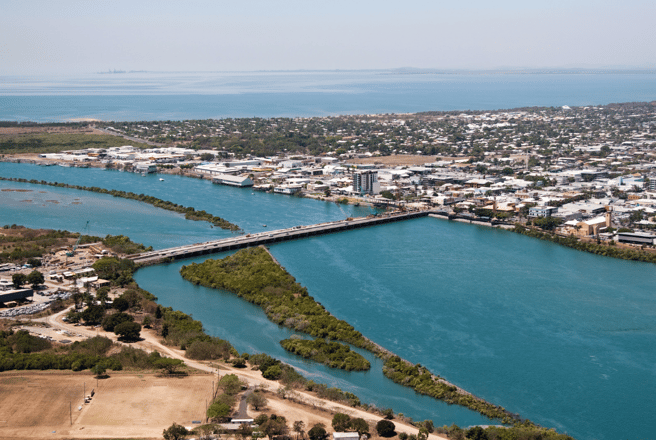
Mortgage repayment levels in every state of Australia are above or near the highest it has been in more than 30 years.
New data shows New South Wales owners are paying the most of their wage (31%) on mortgage repayments.
Queensland mortgage holders are close behind, with 28% of the household income going to mortgage repayments.
South Australian and West Australian households pay nearly 26% and Victorians pay just over 22%.
According to the analysis as of mid-2026, most jurisdictions are sitting at or near their historic peaks as a result of four interest rate rises this year.
NSW has been the most expensive for some time, but it is Western Australia which has chalked up the largest growth in the mortgage burden relative to earnings in recent years.
According to the latest Australian Bureau of Statistics lending data, the average loan size for a mortgage in Australia is now $731,000. NSW is the highest at $842,000 and Tasmania is the lowest at $516,000.