Zoning Changes Needed to Increase Housing
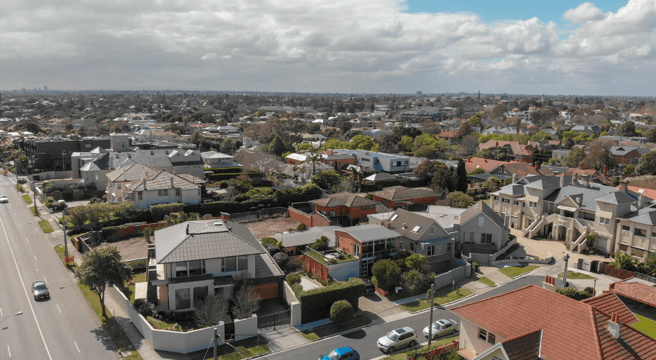
Changing zoning laws around capital cities could allow the delivery of millions of new homes across Australia.
A new report by YIMBY Melbourne shows that 76% of residential land within 20km of the centre of capital cities is restricted – that is, it caps construction at two storeys, has heritage controls, low-density zoning or a detached-house mandate.
It says Hobart is the most restricted, followed by Adelaide, Darwin, Perth, Brisbane, Sydney and Canberra. Melbourne is the least restricted.
Report co-author Jonathan O’Brien estimates almost nine million additional homes can be accommodated in capital cities if three-storey townhouses are allowed across residential land.
O’Brien says the Federal Government should consider developing a national density zoning so that there are consistent rules across the states.
He says even with zoning changes, it is possible to retain properties of heritage value and still increase housing density.
"You can keep iconic buildings and simultaneously build new buildings next to them or around them or down the street,” he says.
Rent Growth Continues

Rents are continuing to grow across Australia’s capital cities, with house rents across the combined capital house markets up by $20 per week in the June quarter.
Domain data shows that at the same time unit rents rose by $5 per week and says the increases are higher than the expected “seasonal norms”.
Sydney recorded the highest increase in the quarter with its house rents up by $50 per week, Darwin is up by $40 per week and Brisbane is up by $10 per week.
Adelaide and Canberra are up $10 per week, Melbourne and Hobart, $5 and Perth, $2.
Domain chief retail economist Nicola Powell says that renters are "operating in a landlord's market".
She says some landlords moved quickly to lift asking rents following Federal Budget changes around housing investment.
"The real test will come in the months and years ahead as investors adjust to the new policy environment and those decisions begin to flow through to housing availability and rental conditions."
Our Most Liveable Cities
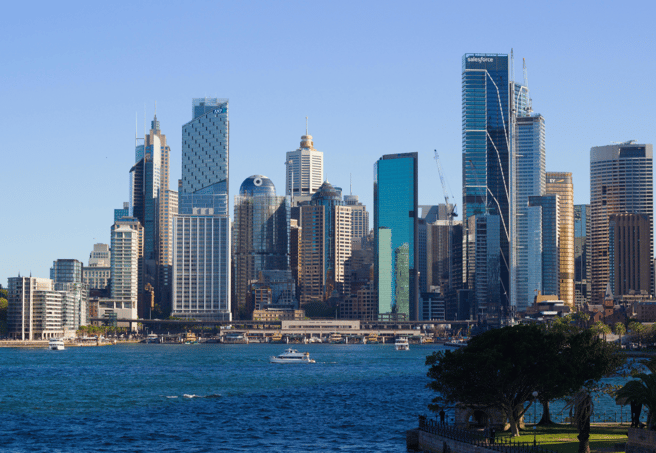
Sydney, Melbourne and Perth have been recognised as three of the Top 20 best places to live around the world.
Monocle’s 2026 Quality of Life Survey ranked cities around the world based on the factors that shape everyday life, including safety, connectivity, governance, green space, culture, retail and hospitality.
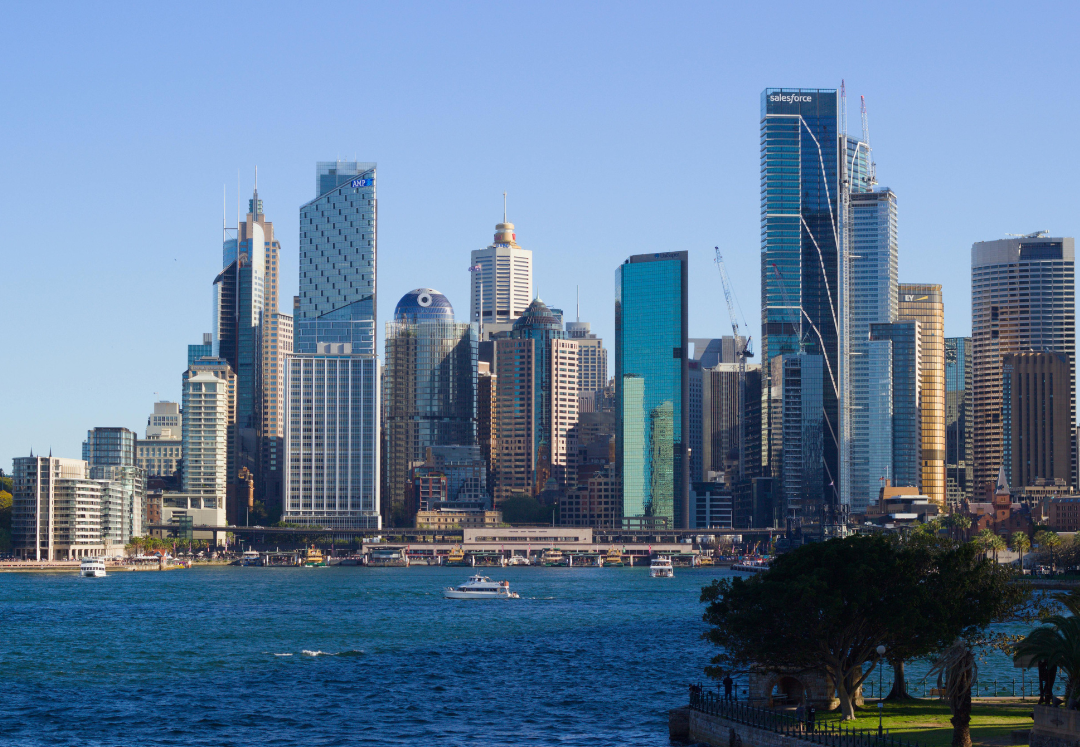
Sydney achieved the highest Australian ranking coming in at fifth spot in the world. It is recognised for its major infrastructure projects, particularly transport infrastructure which makes the city easier to navigate. The rankings also praise the city’s natural beauty, particularly Sydney Harbour and beaches.
Melbourne is ranked 16th in the world and is recognised for its strong culinary reputation, cafe culture, sporting events, arts scene and access to nature.
Perth is ranked 20th for its sunshine, beaches, riverfront spaces and access to nature with infrastructure projects including Perth City Link and Elizabeth Quay having helped reconnect parts of the city.
House Building Levels Drop

Construction starts are falling with new Australian Bureau of Statistics figures revealing an 11.2% drop in work underway.
According to the ABS, in the March quarter completions are also down by 0.6%.
The data shows work started on 48,012 dwellings and 43,816 dwellings were completed during the quarter.
Housing Industry Association senior economist Tom Devitt says the figures show Australia is not keeping up with new housing targets.
“Australia needed to deliver an annual rate of 240,000 new homes to reach the 1.2 million new homes target, but in the 12 months to March, just 197,340 new homes commenced construction,” Devitt says.
Master Builders Australia chief economist Shane Garrett says cost pressures and labour constraints are having a significant impact on building activity.
“Home building activity has been hurt by escalations in building costs and continued shortages of skilled tradies,” he says.
Master Builders Australia CEO Denita says some builders are thinking twice before e proceeding with new projects.
Australia’s Top Growth Markets
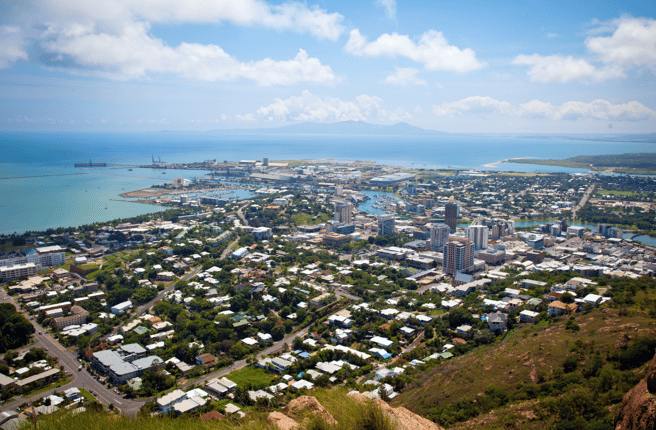
Australia has 23 markets where median property prices have doubled in just three years.
Analysis by PropTrack shows the leading growth suburbs are in Queensland and Western Australia.
A common link between many of the high-growth locations is that the markets have more affordable property prices which appeal to both first home buyers and investors.
While some of the markets are in remote areas, where prices are well below those of capital city markets, there are still solid performers closer to the major cities.
Among the top growth suburbs closer to capital city markets is Menangle Park in Wollondilly Shire, about 70km from Sydney. Its median is up 107% in three years to $1,240,000 while Lockridge in Perth’s North East is up 105% to $769,000.
Suburbs where unit prices doubled in three years are closer to capital cities with Queensland suburbs dominating the top ten, led by Woodridge in the Logan LGA which is up 131% to $565,000 and Waterford West also in Logan, up 123% to $625,000.