Renovation Blitz

Homeowners are spending up big on renovations with Brisbane crowned Australia’s renovation capital.
With an average of $88.5 million worth of residential renovation work approved every month over the past five years, Brisbane LGA tops the list of LGAs according to the FurnitureTrader Renovation Boom.
The Northern Beaches LGA in New South Wales is second with nearly $33 million a month approved and the Gold Coast LGA is third ($26.5 million).
Melbourne LGA is fourth ($25.9 million a month approved) and Stonnington LGA rounds out the top five ($25 million).
According to the report, nationally, approved renovation values rose 27% over the past five years.
Sam Cain of FurnitureTrader says renovation demand isn’t just about where people can afford to renovate; it’s about where the housing stock still has room to grow into.
“Some council areas, like Brisbane and the Gold Coast, are approving tens of millions in renovation work every month and still rising, while others have shown a stark decline over the same five-year period,” he says.
Investor Activity Changes Tack

Investors are changing tack, turning away from existing properties and seeking out new homes and high-yielding assets.
A larger share of investors are now inquiring about properties with higher rental yields than before the Federal Budget changes to investment taxes were announced, according to the PropTrack Terri Sheer Investors Report.
Senior economist Angus Moore says investors are shifting toward higher-yielding rental properties.
“These investments are more likely to provide positive cash flow, rather than relying on home price growth,” he says.
The report says investors are “over-represented” in the more affordable areas of major cities, which tend to have higher yields.
Inquiries from investors in New South Wales are strongest in areas such as the Blue Mountains, St Marys, Fairfield, Mount Druitt and Blacktown.
In Victoria, inquiries are strongest in Brimbank, Tullamarine, Broadmeadows and Wyndham and in Western Australia, inquiries are strongest around Rockingham, Mandurah, Gosnells, Armadale, and Canning.
Queensland’s most interest from investors is more coastal than affordable, around the the Gold Coast and Sunshine Coast including Surfers Paradise, Broadbeach-Burleigh, Southport and Noosa.
Rent Growth Slows
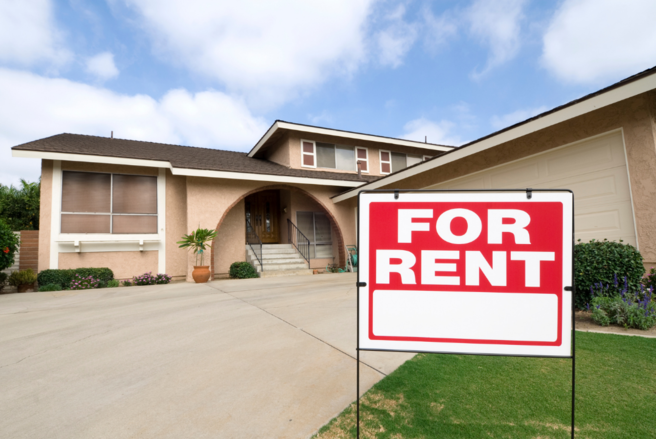
Although the pace of rental growth has finally slowed, asking rents remain at record highs throughout Australia.
The national median advertised rent reached $675 a week in September, up 1.5% over the quarter, according to the latest REA Rental Report. The pace of growth in the previous quarter was 2.3%.
REA senior economic analyst Megan Lieu says the combined capital cities now have a median house rent of $680 per week, with Melbourne the cheapest at $595 per week.
Lieu says the slowing growth of rents is being driven by a slight increase in vacancies, which at 1.5%, is at the highest level since February 2022.
Sydney is the most expensive capital city rental market for houses at $850 a week, followed by Darwin at $800 and Perth at $750.
Median rents in Canberra are $730, Brisbane is $720, Adelaide is $650 and Hobart is $630.
Lieu says the outlook for the rental market depends on whether more investors leave the market.
"If investor activity does decline, that could increase prices, but if there is less competition, we could see that offset the decline in investor activity,” she says.
Listings Rise in Smaller Capitals
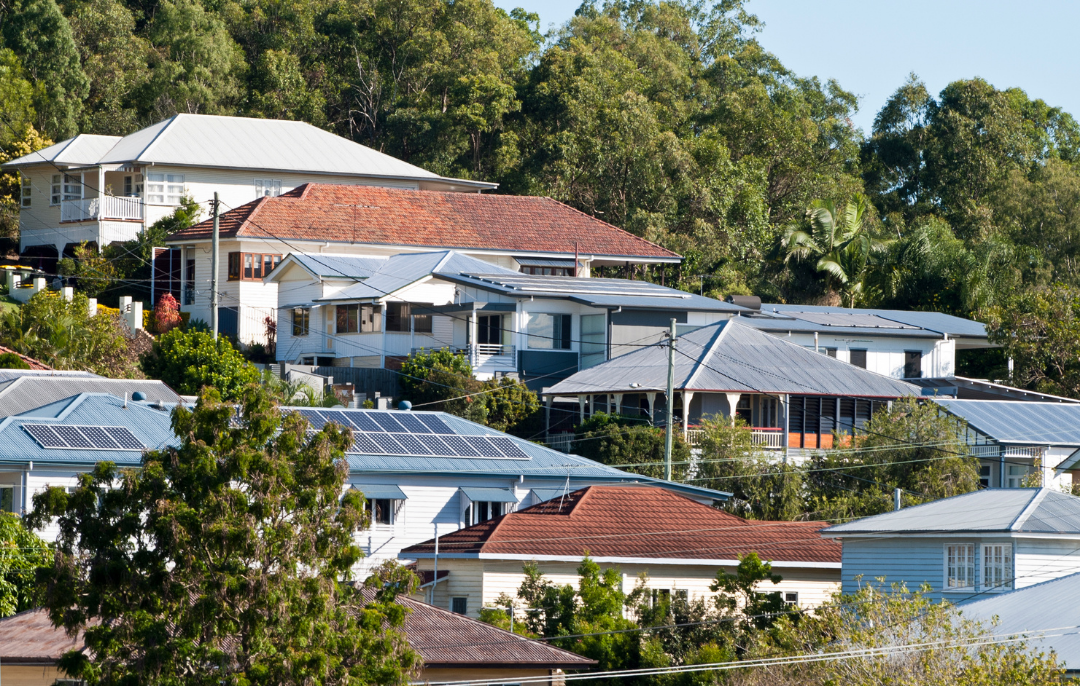
Property listings are rising in smaller capital cities and falling in larger markets.
Analysis of listings on realestate.com.au shows listings are up by 17% in Brisbane, Perth and Adelaide and down by 16% in Sydney and Melbourne.
Nationally, listings are down by 2% in the September quarter compared to the same time last year.
REA Group chief executive Cameron McIntyre says changes in interest rates are resulting in market uncertainty.
However, he believes that buyer confidence and activity will pick up in the coming months.
“Resilient employment, limited forced selling and homeowner equity buffers, along with the ongoing constrained supply, should put a floor on price falls as we see interest rates stabilise in the coming months,” he says.
“We continue to see a two-speed market with smaller capital cities offsetting quieter conditions in Sydney and Melbourne.
“Despite the decline, listings remain comparable with long-term averages.”
According to CommBank, elevated stock levels give buyers more negotiating power.
Housing Targets Slip Further From Reach
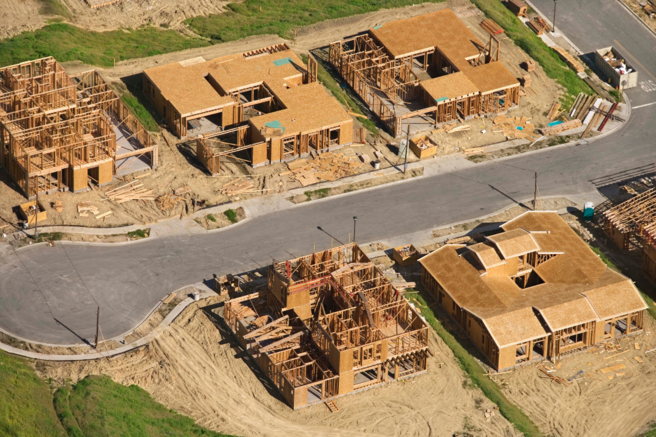
Australia is at serious risk of not meeting its future housing targets, despite new figures showing a slight increase in dwelling commencements.
ABS data shows that dwelling commencements rose 7% in the quarter to June 2026, with houses accounting for 11.6% of this growth. The start of construction on apartments dropped slightly during the quarter by 0.1% - although both sectors are up over the past 12 months.
Property Council Group Executive Policy and Advocacy Matthew Kandelaars says that Australia still has a long way to go.
“Australia simply cannot meet its housing ambitions on the current trajectory and policy headwinds,” he says.
The latest Property Council industry sentiment survey found shows that confidence is at its lowest level since the pandemic.
“You cannot increase housing supply while simultaneously making investment harder and stretching the workforce needed to build it,” he says.
The ABS data shows work started on 52,201 dwellings during the quarter, led by Victoria with 16,239 dwellings under construction.
Queensland is next with 11,671 dwellings started followed by New South Wales, with 11,252, Western Australia with 7,240 and South Australia with 3,913.