Terry’s View: Time To Look Past The Noise
Real estate consumers appear to believe the current disruption afflicting property markets is exceptional. It’s nothing of the sort. As far as government-generated inconveniences go, this one is relatively ho-hum.
I owned real estate in the 1980s when mortgage rates hit 17%. That was serious disruption, but we survived.
During the GFC, forecasts of 40% declines in property values gained serious media traction. Nothing like that happened. When COVID shut down real estate activity, major banks tipped falls of 33%. What followed was a spectacular national boom.
So I’m finding the media frenzy over the Albanese Government’s shafting of property investors a tad tedious. Forecasts of values nosediving, plummeting and collapsing are boringly predictable. Savvy investors shouldn’t be intimidated by white noise.
When transacting large sums of money, we’re supposed to base decisions on reality. Fundamentals. Research. Taking a long-term view.
Instead, many buyers and vendors have hit pause. Even people unaffected by changes to property taxes and SMSFs are hesitating, worried the Prime Minister will “come to a different position” again and deliver another revenue-raising ambush.
Uncertainty is understandable, but allowing headlines to dictate your next move is hardly a sound property investment strategy.
They’re failing to learn from recent history or see what’s under their noses.
Very little has changed in the fundamentals. Demand remains strong, driven by population growth and infrastructure investment, while we continue to under-build. Rental vacancies have hovered between 1% and 1.5% since COVID.
It’s a recipe for ongoing growth in prices and rents, and the Budget has turbocharged it. Rents are already at record highs and continue to grow.
The winners will be independent thinkers who see opportunities amid the political smokescreens and media beat-ups.
Consider Melbourne, where the median dwelling price is $150,000 below Adelaide and more than $200,000 below Perth. Consider infrastructure projects driving housing demand across Australia. Or desirable locations that were too hot to handle six months ago and now offer value.
I’ve been writing about real estate for 43 years and have experienced far greater disruption. It’s time to end our collective dummy-spit and get on with business.
A Quieter Spring Could Put Buyers In Control

The traditional spring selling surge may be more subdued this year as vendors respond to falling prices, cautious buyers and uncertainty over interest rates.
Cotality recorded just over 33,000 new listings in the four weeks to 23 August. That was 8.2% below the five-year average and 2% lower than the same period last year.
Sydney recorded the largest shortfall, with new listings more than 14% below average. Melbourne was down more than 9% and Brisbane was about 5% lower. Adelaide moved in the opposite direction, with new listings around 4% above average, even as demand eased from its late-2025 peak.
Unlike last spring, the market is now several months into a downturn, borrowing capacity has fallen and buyers are more selective.
Owners who do not need to sell may wait rather than accept a lower price. Existing stock may remain available longer where vendor expectations have not adjusted.
For confident buyers, softer competition creates an opening. Fewer buyers, longer selling periods and more realistic vendors provide negotiating leverage, particularly for well-funded purchasers who can act decisively.
Patience may create more worthwhile buying opportunities. Careful selection remains essential: low competition alone does not make a property a strong purchase.
Tax Changes Begin To Reshape Investor Decisions

The Federal Budget's changes to negative gearing, capital gains tax and trusts are starting to influence how investors assess property.
Negative gearing will remain available for newly built residential property but not established homes. This may create a premium for new dwellings among investors seeking the concession. The complication is that the premium could disappear at resale, because the property will no longer qualify as new for the next investor.
Many investors are holding back while they obtain tax advice, reconsider ownership structures and calculate the yield required without negative gearing.
The removal of the 50% capital gains tax discount and a minimum 30% tax on discretionary trust distributions could also reduce the appeal of smaller commercial assets. Buyers may demand higher yields, placing downward pressure on values.
Stamp duty creates another obstacle for anyone wanting to move property out of a discretionary trust and into another ownership vehicle. State governments have not indicated that concessions will be offered for these transfers.
Tax structure matters more, but it should not overwhelm the fundamentals. Location, property quality, tenant demand, yield and growth drivers still determine performance. Investors should seek qualified advice before changing structures or paying a premium for a concession.
Buyer Demand Surges In Affordable Hobart Markets
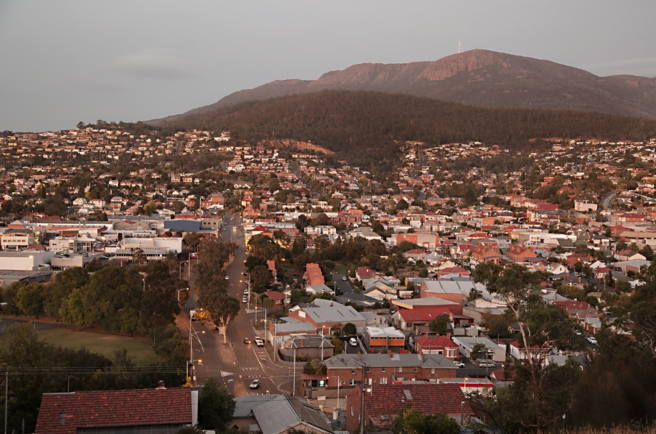
Affordable Hobart suburbs are attracting a sharp increase in buyer attention despite the broader national housing slowdown.
REA Group data shows inquiries per listing in Risdon Vale jumped 245% over the year. Chigwell, Bridgewater, New Norfolk and Berriedale also ranked among the national top 10, recording increases of between 139% and 199%. Upper Burnie in Tasmania's north-west rose 243%.
The renewed interest reflects a combination of relative affordability, rental returns and limited housing supply. After strong price growth in Brisbane, Perth and Adelaide, Hobart is now the second-most affordable capital city and offers the second-highest rental yields among the capitals.
Entry-level homes are attracting investors and owner-occupiers. In Risdon Vale, properties around $500,000 to $600,000 can produce yields near 5%, making them more manageable than million-dollar homes elsewhere.
Three-bedroom detached houses remain popular because they provide space for owner-occupiers and broad tenant appeal. Well-presented affordable homes are moving quickly, while higher-end demand is selective.
National downturns rarely affect every market equally. Rapid inquiry growth is not guaranteed capital growth, so investors must still assess employment, population trends, street quality, property condition and future supply.
Affordability can draw attention quickly, but sustainable performance ultimately depends on broader local fundamentals.
More Sellers Turn To Clear Price Guides

More vendors are putting clear price guides on their listings as cautious buyers reject the guessing games common during stronger markets.
Agents in Brisbane and Sydney report that buyers are taking longer to make decisions and are increasingly avoiding homes without an advertised price.
Higher interest rates, investor tax changes and falling values have reduced fear of missing out and increased fear of overpaying.
The shift reflects changing bargaining power. When competition was intense, sellers could use auctions or listings without prices to test demand. Buyers now have more choice and less urgency, allowing them to demand clarity before inspecting.
One Brisbane property initially offered by auction failed to sell, but secured a buyer within 14 days after being relisted at $1.6 million. The priced campaign also produced its busiest open home.
Clear guides can build trust, qualify buyers and reduce wasted time. However, the figure must be genuine. Advertising above $1.75 million is misleading if a vendor never intended to consider offers near that level.
Regulators are also increasing scrutiny of underquoting today. In a slower market, realistic guides are becoming a practical requirement for buyer engagement and a valuable way for credible agents to stand apart.