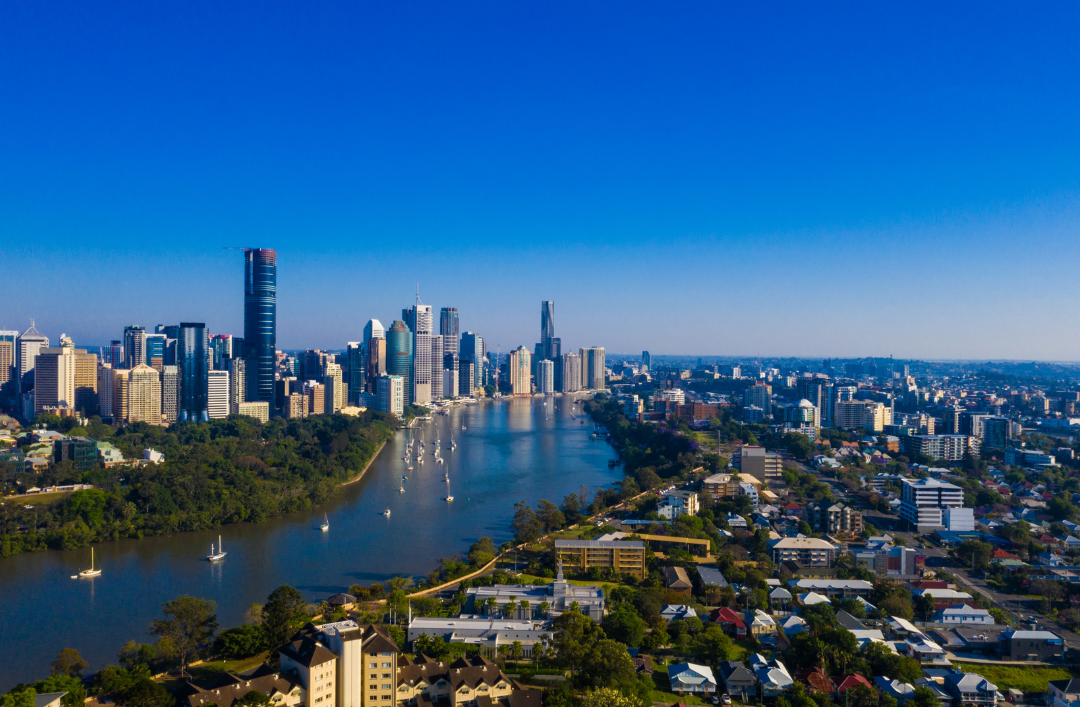
Property Price Growth Heats Up

Property price growth is continuing to heat up, following nine consecutive months of increases.
Nationally, home prices rose by 0.5% in September according to PropTrack data, resulting in values being 6.2% higher than at the same time last year, which equates to about $54,100.
In the housing market, Darwin is continuing to gain strength, with its median price up by 11.5% in the past 12 months, followed by Perth 9.6%, Brisbane 8.8%, Adelaide 8.4%, Sydney 5.5%, Hobart 5.1% and Melbourne 3.8%.
Brisbane has the strongest performing unit market in the past 12 months, with its median up by 14.9%, followed by Darwin 11.4%, Perth 11.2%, Adelaide 9.5%, Hobart 5.7%, Sydney 4.4%, and Melbourne 2.1%.
PropTrack Senior Economist Eleanor Creagh says Melbourne prices have now fully recovered their 2022 peak, returning to record highs after several years of underperformance.
“The combination of increased borrowing capacities and lower borrowing costs, stronger buyer confidence and renewed competition is underpinning a broad and synchronised uplift. Home values are lifting in every capital city and regional area, but momentum is shifting,” she says.
Taxes Biggest Concern

The continual increase in taxes and levies on property construction and investment is having a big impact on industry confidence.
The latest Procore/Property Council survey of industry experts shows a doubling of the number who are concerned about how the sector is taxed.
At a state level, 32% of respondents named property taxes and charges as the top issue for state governments, 11% above the historical average and a record high.
In Victoria, where numerous additional taxes and levies have been imposed in the past two years, it is a high 63%.
Property Council Chief Executive Mike Zorbas says the way Governments tax new homes has to change.
“New home buyers are being slugged with a shocking tax burden. 30% of a new home’s purchase price goes in government taxes, only a fraction of which end up as community infrastructure,” he says.
“Add the extra taxes on institutional investment in apartments, build-to-rent, student accommodation and retirement living, and it almost looks like state governments don’t want new homes to be built.”
Approvals Remain Stable

Housing approvals have remained fairly stable across Australia in the past three months, despite a slight dip in August.
New monthly home building approvals data show a dip in apartment approvals in August of 2.9%, but HIA Senior Economist Tom Devitt says approval levels are pretty much on a par with the same time last year.
He says year-on-year approvals are only down 0.9% and remain above the 2023 trough.
“Declining interest rates, strong population growth, tight labour markets and recovering household incomes helped improve confidence in an increasing number of markets over the past 18 months,” Devitt says.
The data shows Western Australia, Queensland and South Australia are leading the states when it comes to approvals, with higher land costs holding back some of the other states.
Devitt says higher-density housing needs to do much more “heavy lifting” if Australia is to meet its housing targets and improve affordability. He says policy makers need to reduce the costs of construction that are inflated with “needless and destructive” taxes, regulations, restrictions and costs.
Build to Rent Sector Surges

Australia’s Build to Rent sector is surging, with the national pipeline now worth more than $30 billion.
According to the Property Council of Australia, the value of the sector has grown by 35% in the past year.
BDO Partner Luke Mackintosh says the sector has the potential to grow substantially to be worth between $300 billion and $600 billion in the next ten to 15 years. It could potentially deliver between 600,000 and 700,000 homes during that period.
“That’s not just new housing. It’s also hundreds of thousands of new jobs in construction and operations, and the creation of a whole new institutional asset class in Australia,” he says.
“On average, a single BTR project delivers around 320 apartments, adding directly to the rental pool. That scale is what makes Build-to-Rent such a powerful lever in addressing the housing shortage.”
But Mackintosh says all levels of government will need to implement some changes to allow that to happen and to encourage Australian and Foreign institutional investors into the market.