Prestige Property Proves Popular

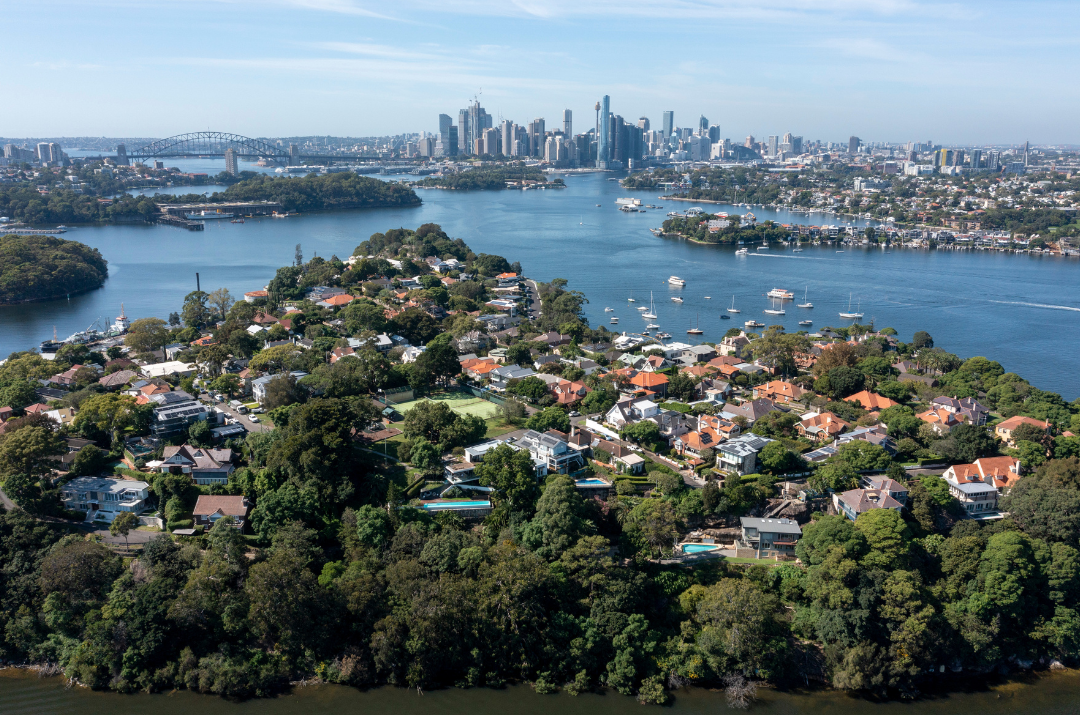
Demand for prestige property is surging, particularly high-end apartments in Australia’s eastern capitals, with sales of prestige apartments almost tripling in the past ten years.
McGrath Research’s Michelle Ciesielksi says the number of listings for prestige properties remains low.
“This has strengthened the prestige market, pushing prices higher, deepening competition, reshaping buyer preference towards premium apartment living and rebalancing the geographic spread,” she says.
According to Ciesielksi, the strongest demand for prestige properties is now in Queensland and New South Wales.
“Victoria made up 49% of prestige apartment sales back in 2015, followed by NSW (36%), then Queensland (15%),” she says.
“In 2025, Queensland held the majority share of sales, with 43%, followed closely by NSW (41%) and Victoria (16%).”
Regional Queensland also stands out, achieving 23% of prestige apartment sales in 2025.
Brisbane is emerging as a new prestige apartment hub ahead of the big infrastructure spending program in the lead-up to the 2032 Olympics.
Big Demographic Shift To Hit Housing

The greatest demographic shift to impact housing in the coming decade will be millennials moving into their 40s, according to social demographer Bernard Salt.
In 2026, there are 3.6 million Australians aged “40 something”, which will increase by 16% to 4.2 million by 2036.
Salt says it is a crucial age group as the early 40s is the time in the Australian lifecycle when many couples decide they need more space, want to leave behind apartment living and move into a separate house on a separate block of land.
This will lead to a surge in demand for larger family-style homes.
Salt says the greatest increase in those aged “40 something” in the next decade will be in Melbourne (an additional 131,000), Sydney (114,000) and Brisbane (57,000).
And they will want to live in Melbourne, Sydney’s west and Brisbane’s south.
Salt says the housing demand means they may negotiate early access to generational wealth.
“Passing on a meaningful portion of wealth to adult kids in their needy 40s will have a bigger impact than passing it on years later when the grandchildren have left the family home,” he says.
Investor Borrowing Rises

The share of lending to property investors is higher than it was five years ago, with new data showing investors accounted for 39.7% of loans nationally in the December quarter.
Analysis of Australian Bureau of Statistics data by Cotality shows that during the quarter, first buyer lending fell despite the many government financial incentives on offer.
Investors borrowed $43 billion in the December quarter - the highest share of loans to investors in nine years.
First home buyers accounted for 17.8% of loans, worth a total of $19.3 billion.
Cotality head of research for Australia, Gerard Burg, says rapid growth in home values over recent years, alongside ultra-low interest rates, has encouraged investors into the market.
“Investors really seek capital growth, and so they will go anywhere where they can see the opportunity for that,” he says.
The data shows that during the December quarter, almost 32,000 first-time buyers took out a mortgage, with the size of the average loan being $607,624.
At the same time, there were 60,445 investment loans with an average loan size of $716,711.
Economic Growth Continues

Australia’s economic growth continues, rising by 2.5% in 2025 and up 0.8% in the December quarter.
Australian Bureau of Statistics data shows that housing investment contributed 0.1 percentage points to GDP growth, with a rise in the construction of apartments and high real estate turnover.
ABS head of national accounts Grace Kim says there was broad-based economic growth in the last quarter of 2025, with increases in a large majority of industries.
She says household spending rose 0.3% in the quarter, discretionary spending was up 0.4%, and spending on essential goods fell by 0.5%.
It also shows household savings are up over the quarter, and household disposable income rose 1.8% during the same period.
According to Westpac economists, the data reinforces the view that the economy is now in the upswing phase of the cycle.
It says dwelling investment growth was 0.6% in the quarter, new dwelling construction rose 1.4%, and renovation spending dropped by 0.2%.
Westpac predicts a “healthy pipeline of projects” will support future housing construction activity.
Australian Construction Outlook

The construction industry is predicted to continue to grow in 2026 despite its challenges.
Analysis by Planned Resources says demand is strong nationally, supported by public infrastructure, defence projects, renewable energy and housing demand.
Although it warns that labour shortages, cost pressures and uncertain economic conditions continue to have an impact on whether projects are completed or remain feasible.
It says New South Wales, particularly Sydney, has a large pipeline of public and private projects, although it faces some delivery challenges with construction costs forecast to rise by about 4%.
“Planning delays, approvals bottlenecks and infrastructure tie-ins remain recurrent themes, likely extending timelines for major mixed-use and high-density projects,” it says.
Victoria is also feeling the effect of labour shortages and contractor insolvencies, making delivery harder.
The report says that Queensland’s construction outlook is among the most dynamic, with a strong infrastructure pipeline and large projects, including worker accommodation villages supporting energy construction, which will expand regional activity.
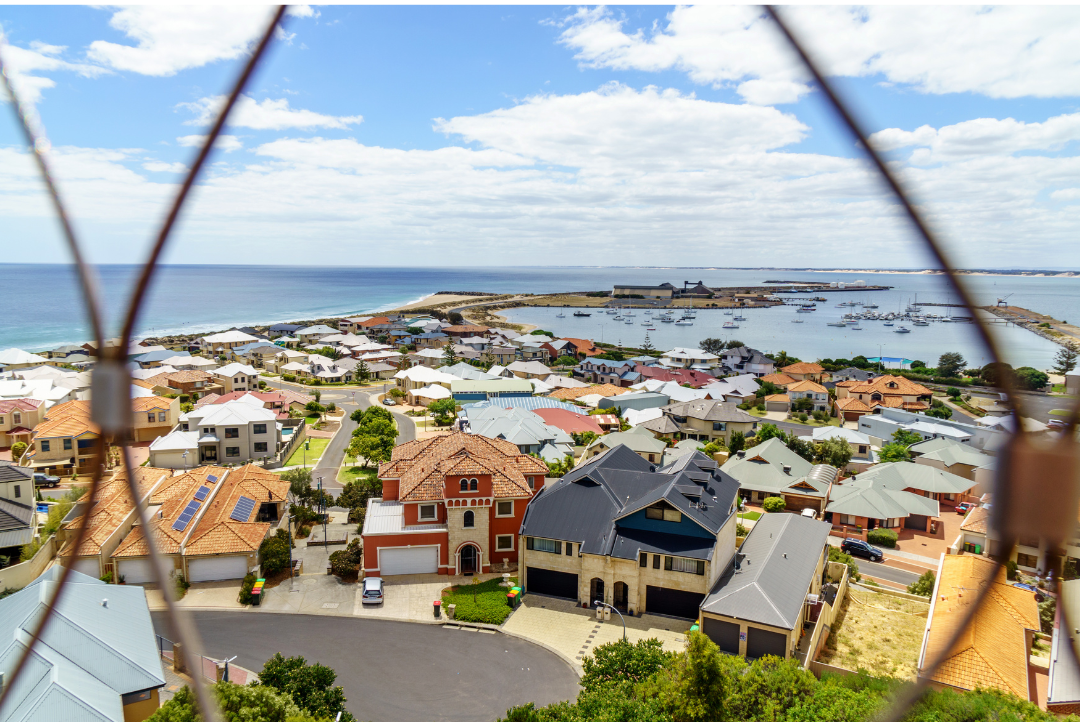
Western Australia is tipped to be the construction leader in 2026, with housing approvals and commencements surging, making it the frontrunner for new home builders nationally. Perth’s construction costs are forecast to rise by about 5.3%.